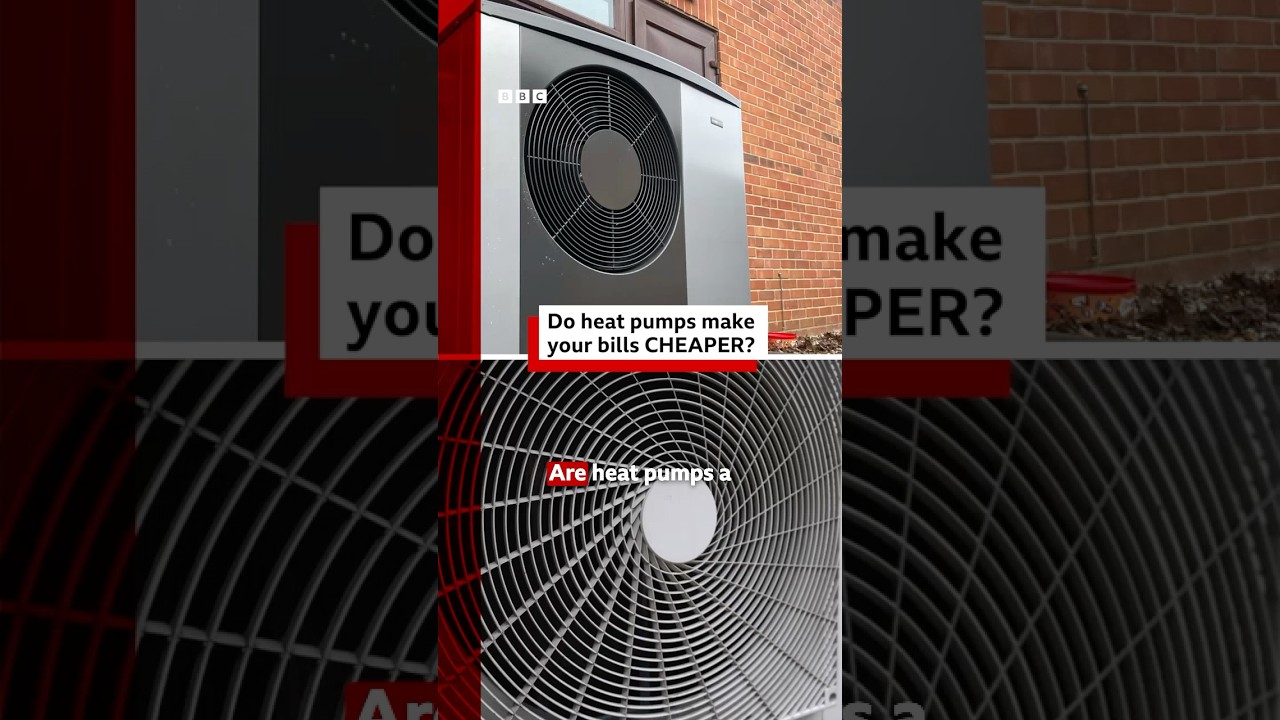
The Heat Pump Debate: Are They Worth the Investment?
In recent years, heat pumps have emerged as a popular, albeit controversial, option for energy-efficient heating and cooling. Some consumers, like Penny, have reported drastic reductions in their energy bills after installing these systems. However, the initial costs associated with heat pumps can be staggering, leaving many to wonder: are they truly a waste of money?
Penny’s experience offers a lens through which to view this technology. Initially, her monthly energy costs approached £300, an unsustainable figure for any household. Enter the solar panels and batteries she later integrated into her home. This combination transformed her energy equation, driving her bills down to a mere £35 per month. At first glance, this sounds remarkable, even revolutionary. However, reaching this point required a substantial upfront investment that isn’t feasible for many.
The high initial costs of heat pumps are often a sticking point for prospective buyers. The installation of a heat pump system, along with the necessary solar technology, can easily run into the thousands. For the average consumer, this presents a barrier to entry that raises questions about affordability and value. While the long-term savings on energy bills are enticing, the initial financial outlay cannot be ignored.
Recognizing this disparity, the government has announced ambitious plans to support a "rooftop revolution" aimed at making renewable energy more accessible. With billions earmarked for grants and low-cost loans, there is hope that these technologies will become more financially viable for a broader audience. The aim is to ease the burden of upfront costs, allowing more people to benefit from sustainable energy solutions without straining their finances.
Critics argue that without substantial public investment and innovative financing models, heat pumps may remain a luxury that only wealthier households can afford. To truly achieve widespread adoption, the initiative must ensure that low-income families also have access to these technologies. If the government can successfully implement these programs, they could help bridge the gap between aspiration and reality for many homeowners.
Yet, the journey doesn’t stop at merely making heat pumps accessible. Successful implementation also involves educating homeowners about the benefits and functionality of these systems. While some individuals may be hesitant to leap into renewable energy, understanding the long-term cost savings and environmental impact could change minds. An informed public is crucial in securing the social buy-in necessary for such a large-scale transformation.
Moreover, the impact of adopting heat pumps goes beyond individual households. A widespread transition to renewable energy sources like heat pumps and solar panels could have a profound effect on reducing carbon emissions. The collective effort could contribute significantly to national targets for sustainability, positioning countries as leaders in the fight against climate change.
As we navigate this evolving landscape, it’s essential to weigh both sides of the heat pump argument. On one hand, there is the allure of lower energy bills and reduced carbon footprints. On the other is the reality of high upfront costs and the uncertainty of government support.
The future of home heating is at a crossroads. While innovations like heat pumps have the potential to revolutionize how we manage energy consumption, affordability remains a primary concern for many. It will be crucial for policymakers, energy companies, and consumers to collaborate in breaking down financial barriers.
In conclusion, are heat pumps a complete waste of money? The answer isn’t straightforward. While many homeowners face daunting initial costs, initiatives like the government’s proposed grants could make these systems more attainable. As advancements continue and support grows, the hope is that heat pumps will transition from being a luxury to a standard practice in our homes—making them not just economically viable, but a cornerstone of a sustainable future.